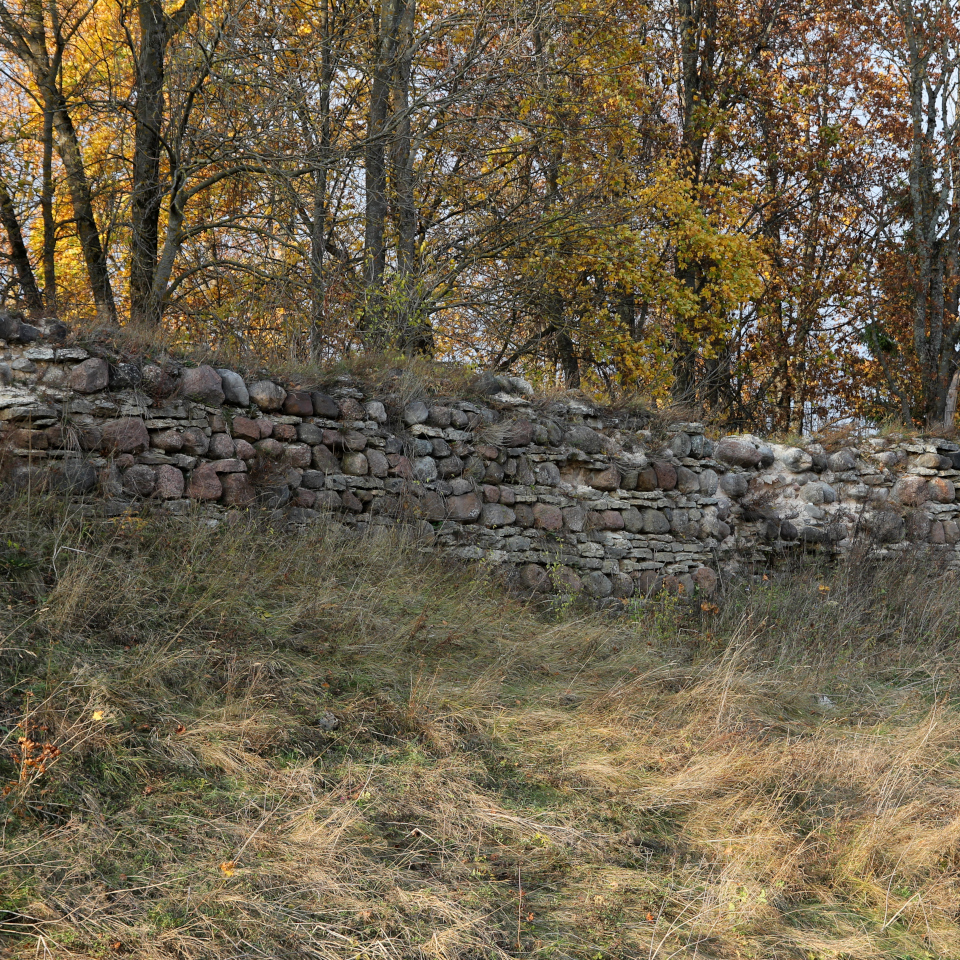
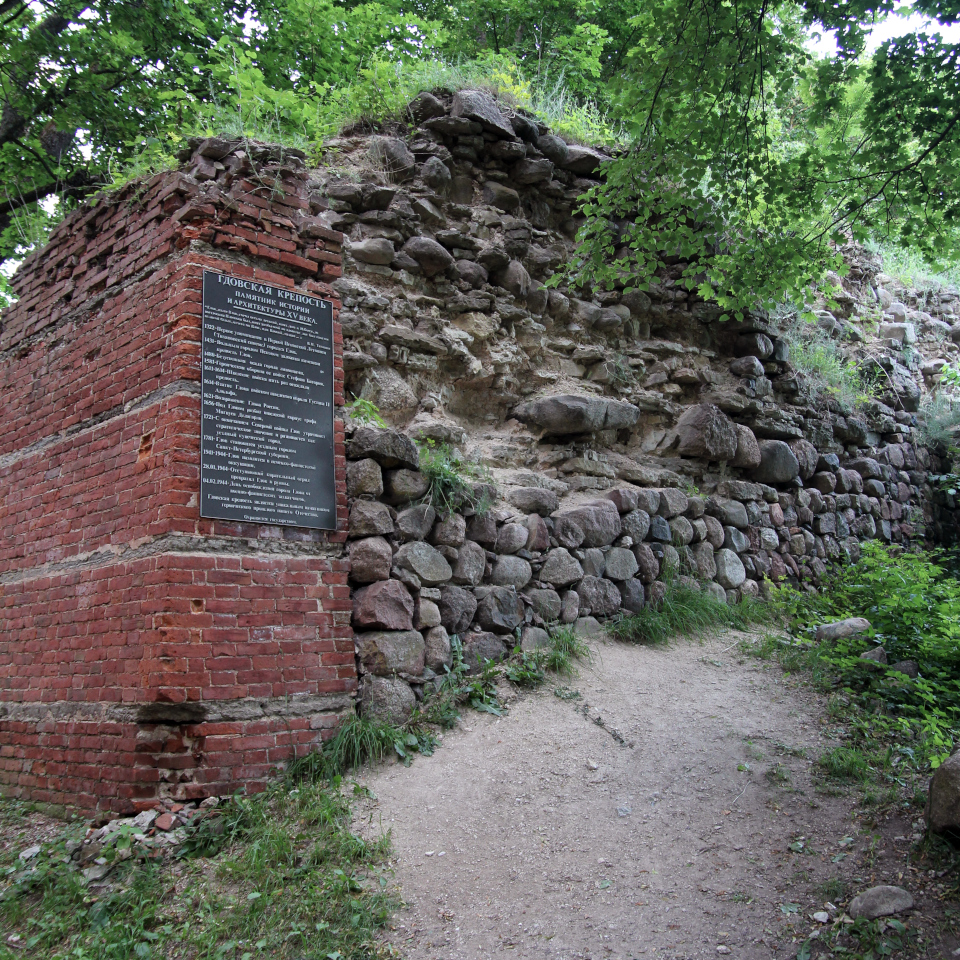
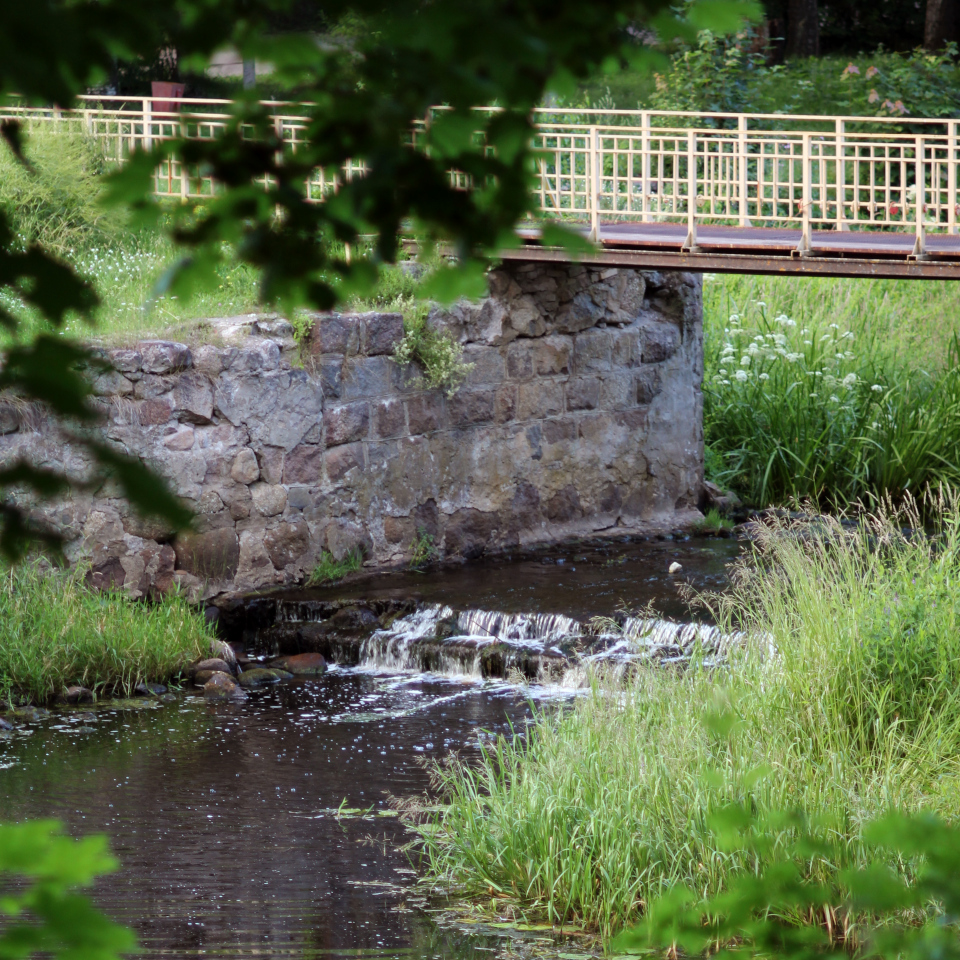
Gdov is one of the smallest historical towns of Russia, located on the Eastern coast of lake Chudskoye that separates Russia and Estonia. Fortress of Gdov, erected by Gdovka river near the lake, was one of the chain of borderline fortresses stretching from the South (Sebezh) to the North (Ivangorod), protecting the medieval principalities of Novgorod and Pskov from incursions from the West. Famous Battle on the Ice took place not far from Gdov to the South. Gdov was first mentioned in chronicles 700 years ago; in 1431 Pskovians hired some 300 fortification masters to construct a permanent stronghold made of stone and wood. Walls were built the left bank of Gdovka, being much wider and deeper by then, where the river meets Staritsa stream, protecting the other two sides of the square fortress with a deep grave. Livonian Chronicle of XV century reads that "...the Russians have constructed on their side of Peipus, three miles away from the lake a castle with a monastery, known as Voldov, or Oudov as they call it".
The fortress was a tough military target, it withstood multiple sieges of Livonians, Swedes and Poles. Invasions of 1581 (Poland) and 1611-1621 (Sweden) appeared especially tough for the town, but thanks to the recovering trans-border commerce that used to run through Gdov, the town also recovered and did not share the fate of other borderline strongholds that were ruined and vanished. Core trades of the local inhabitants were agriculture, fishing and flax being the best in Russia. After the Great Northern War (early XVIII century) the town continued expanding: by 1627 there were 281 men recorded to live in town, whereas 200 years later some 1000 men and women were recorded living in 176 residential houses. In 1781 empress Catherine II approved a coat of arms for Gdov. Roughly by the same period there was a campaign of regular planning of towns and cities all across the imperial Russia, meaning they have to develop further along the straight lines of existing and projected streets. This approach was applied to Gdov and its present-day plan echoes two centuries old urban planning effort. Liberation of peasants in 1861 enabled industrial growth in the country, including vast - 100 by 150 km - Gdov area. Matches factory Sphinx, wheat mills and sawmills were founded there during second half of XIX century, as well as first trade school. Standing somewhat aside of main transit routes Gdov lacked roads, and this problem was properly addressed by the end of XIX century, when the old postal road between Pskov and Narva, along Pskovskoye and Chudskoye lakes was rebuilt and harbour facilities of Gdov were improved. Once WWI started, the government funded construction of a railroad between Pskov, Gdov and Narva for defence needs, but it also contributed to economy of the region. New roads connecting Gdov to the Baltics, combined with abundance of scarcely-populated land also attracted poor Estonian and Latvian settlers into the area.
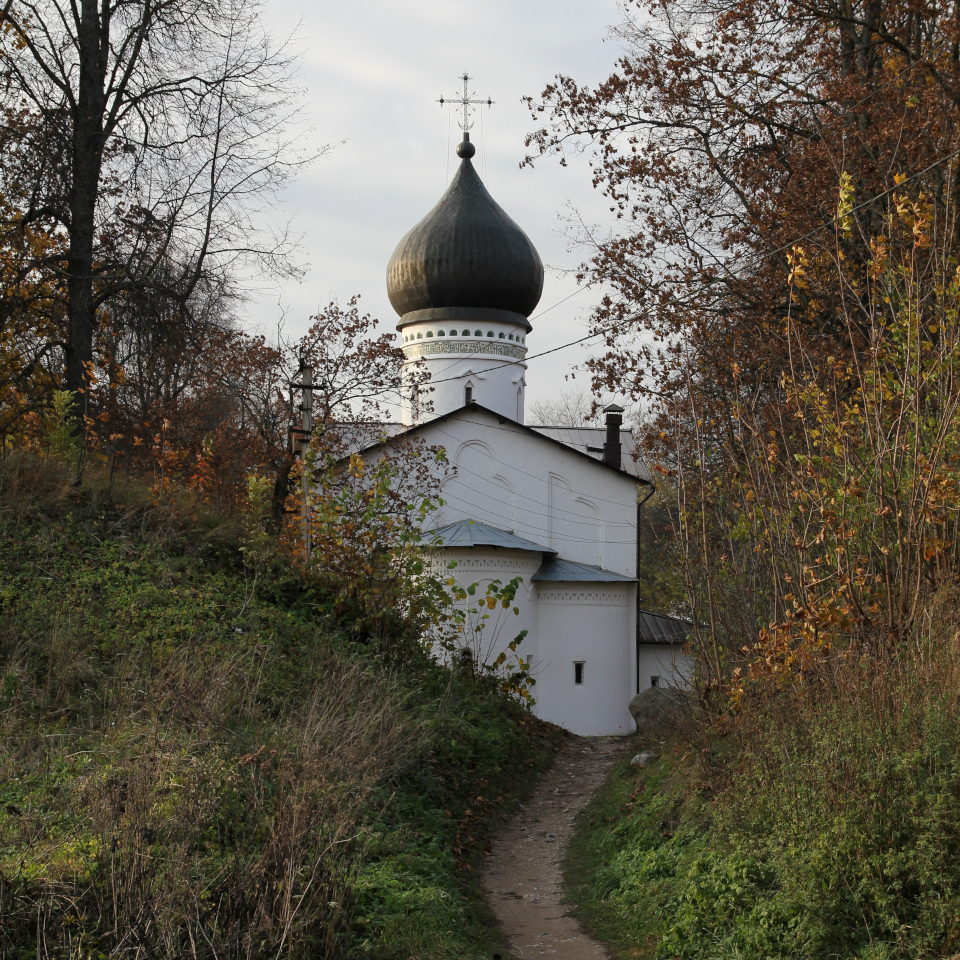
During the Russian Civil war (1918-1921) Gdov was briefly occupied by North-Western Army and foreign mercenaries, until after much fighting with Red Army in 1919 it finally became borderline town of Soviet Russia. Most devastating was the nazi occupation 1941-1944, when two thirds of the local residents died, 606 of 640 pre-war buildings of Gdov destroyed. Major share of town's destruction, including St.Dmitry's Cathederal and Uspenie Church was done by notorious 37-th SS Police regiment recruited in Estonia, that burned down and blasted all existed residential and public buildings three days before the Red Army approached the town. From 1945 onwards Gdov has been rebuilt anew, what is easily noticed from its current look. Local industries were comprised of a fishery, canned food and diary products factories, sawmill and an electrotechnical appliances plant. There were two schools and a wide-screen movie theatre in town. Throughout 1960-1980-ties small commuter aircraft serviced flights to Pskov, Slantsy and Narva, bus and train connected Gdov with Pskov and Leningrad, ferries to Tartu were available occasionally. Late 1980-ties local orthodox priest donated his personal savings to rebuild a late medieval church in Gdov fortress, destroyed in 1944. The church being itself a replica of the one that existed there before was made after the classic Pskovian designs and opened its doors in 1993. One of the few surviving historic buildings is the mansion of commersant Boyarinov on the main street of the town, that now hosts the local museum.
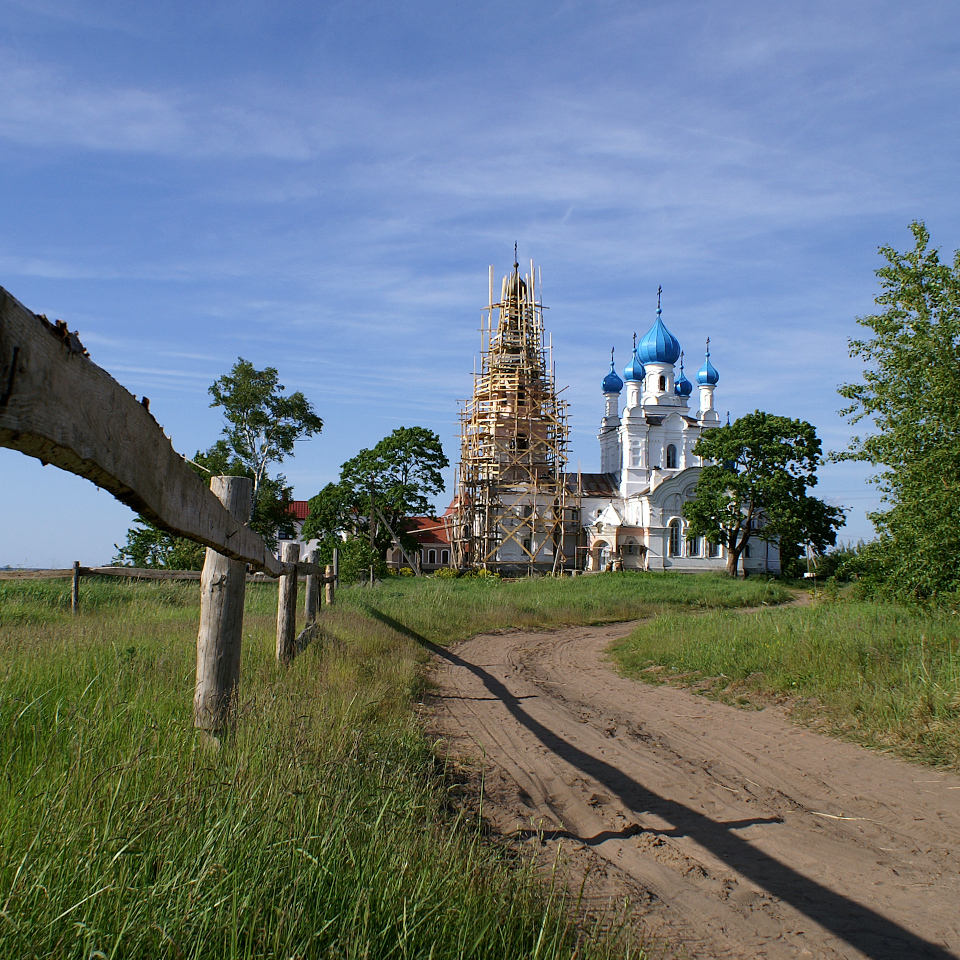
One may reach Gdov by car or by buses - from Pskov or St.Petersburg a few times a day. For any visitor to town a walk or a drive to the lake is a definite must, especially to village Vetvenik where one may find a beautiful church of Peter and Paul, that survived through a century of militant atheism and godless hostilities. Visiting the lake outside of Gdov implies borderline visit permit obtained beforehand.
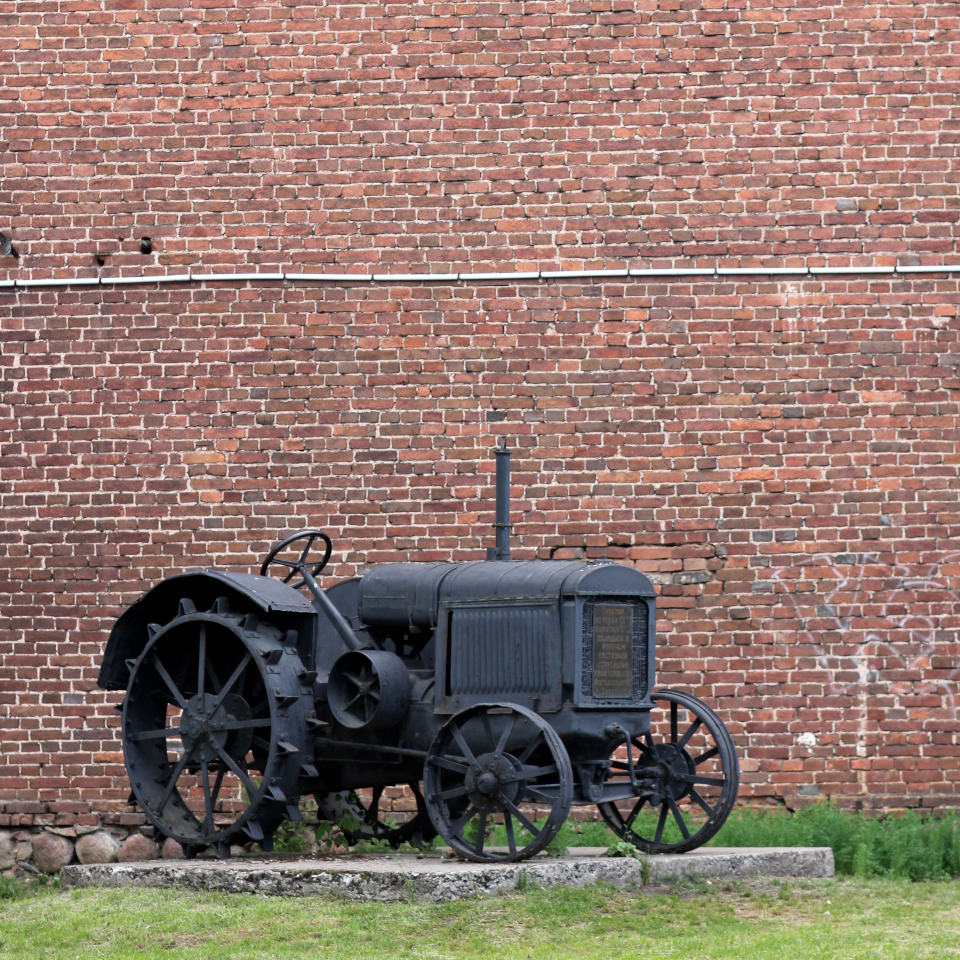
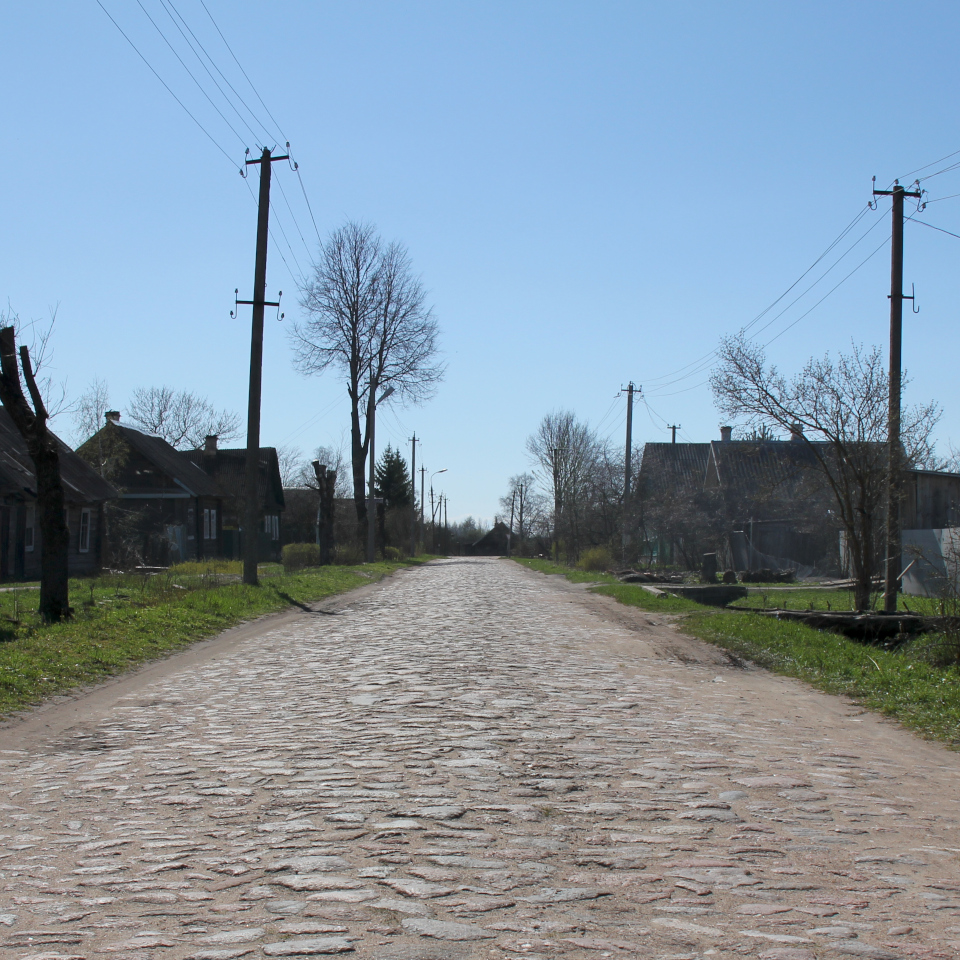
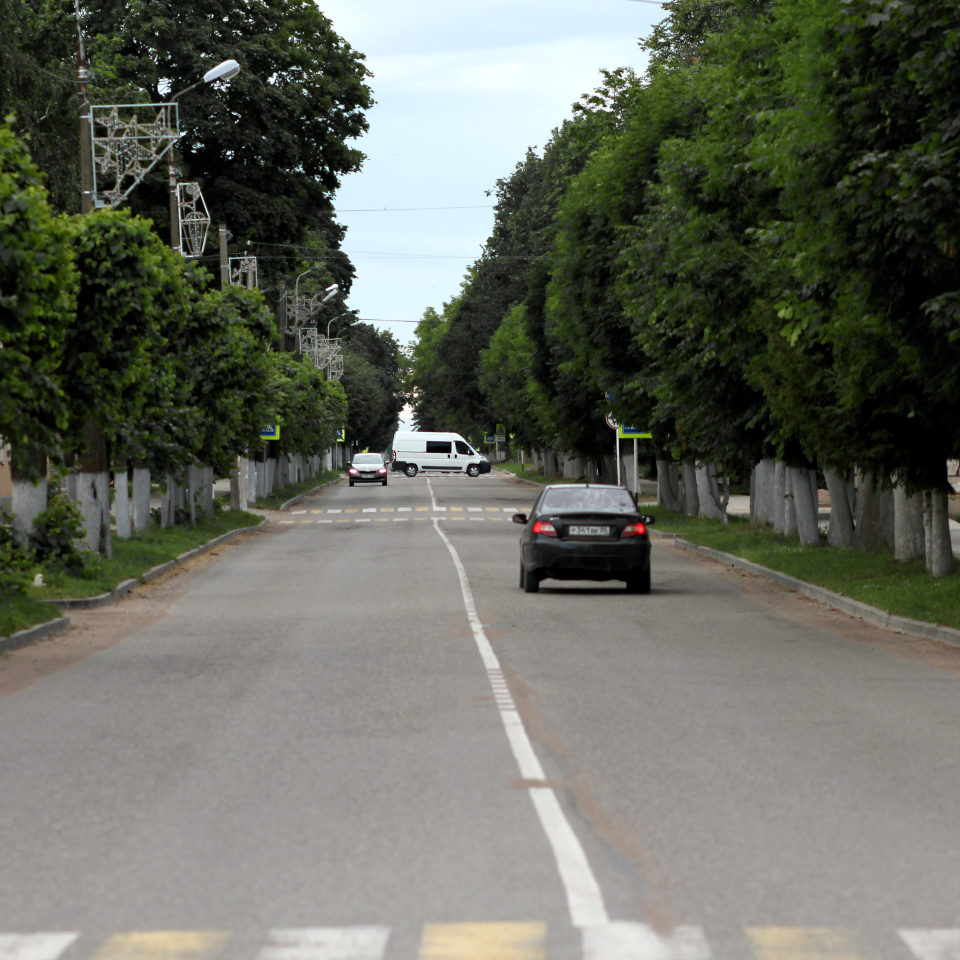
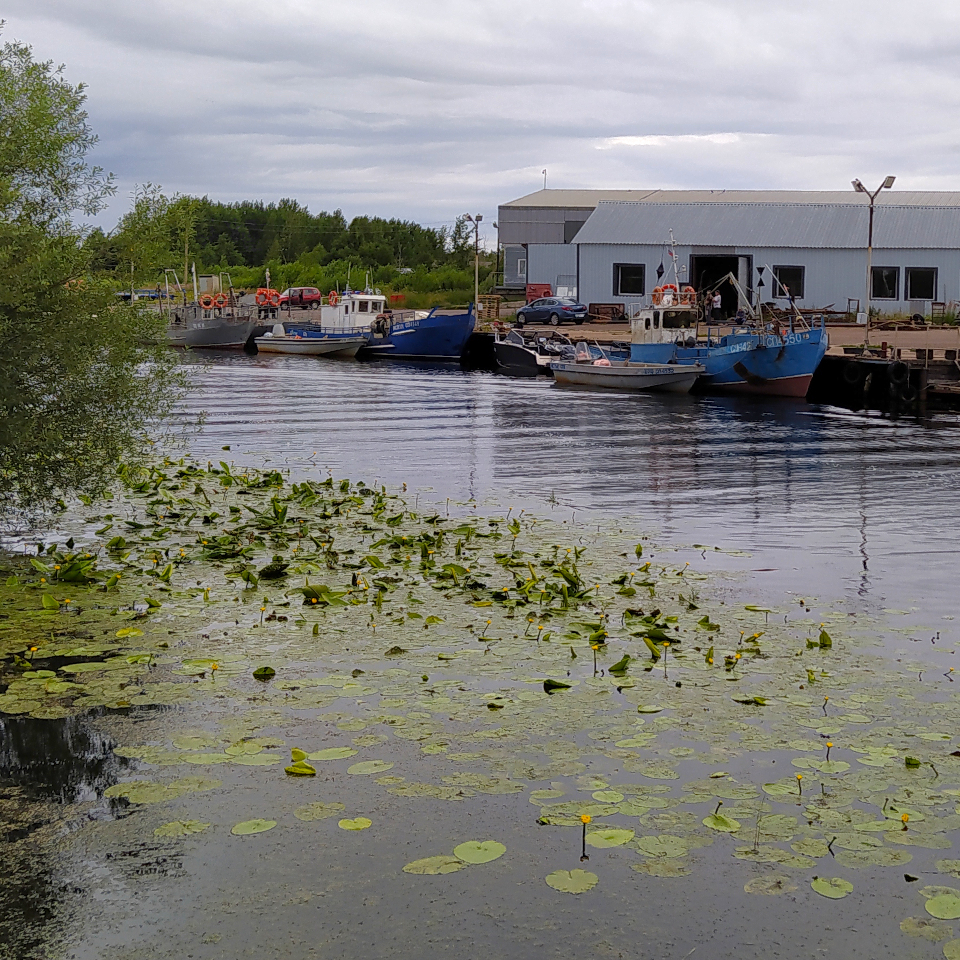
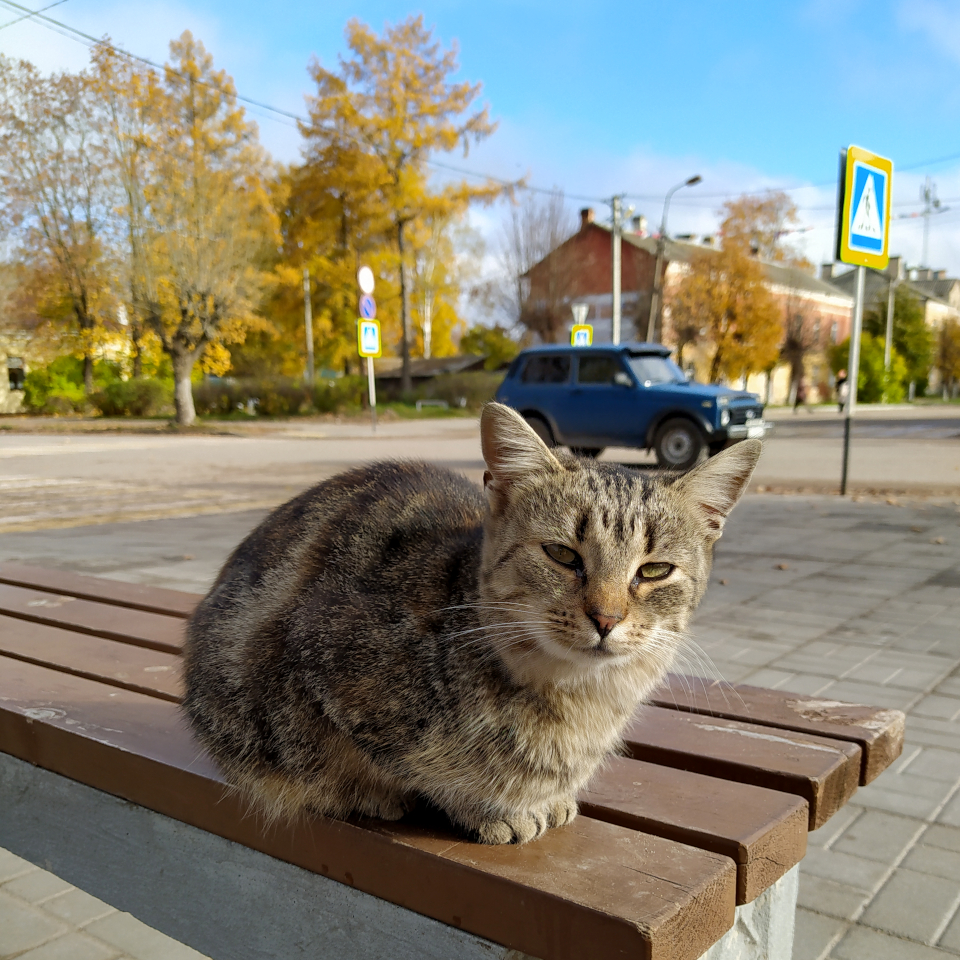
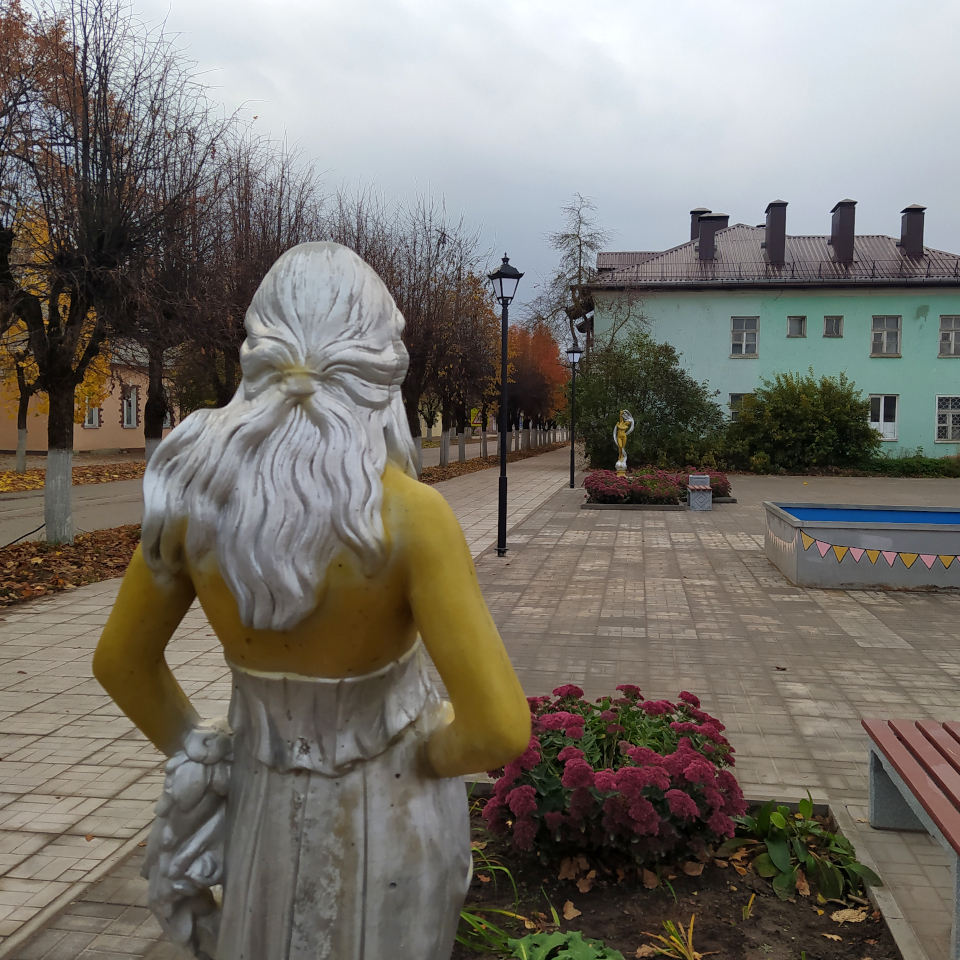
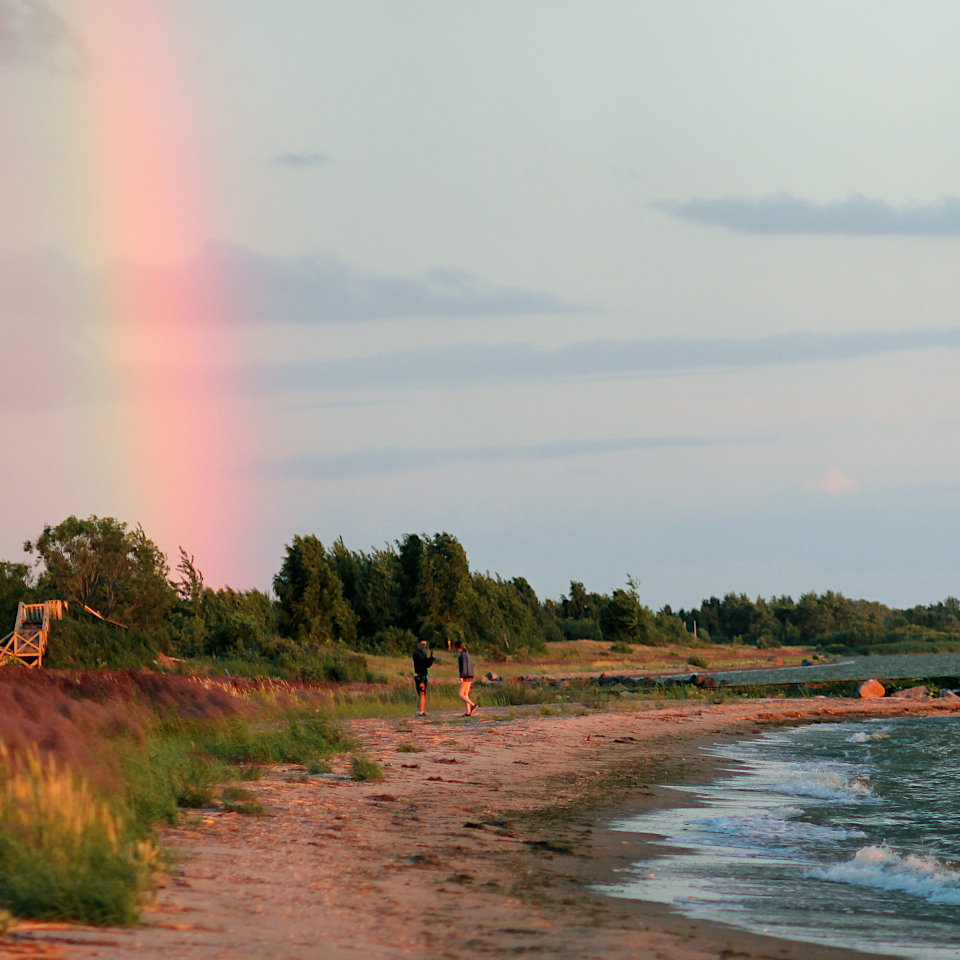
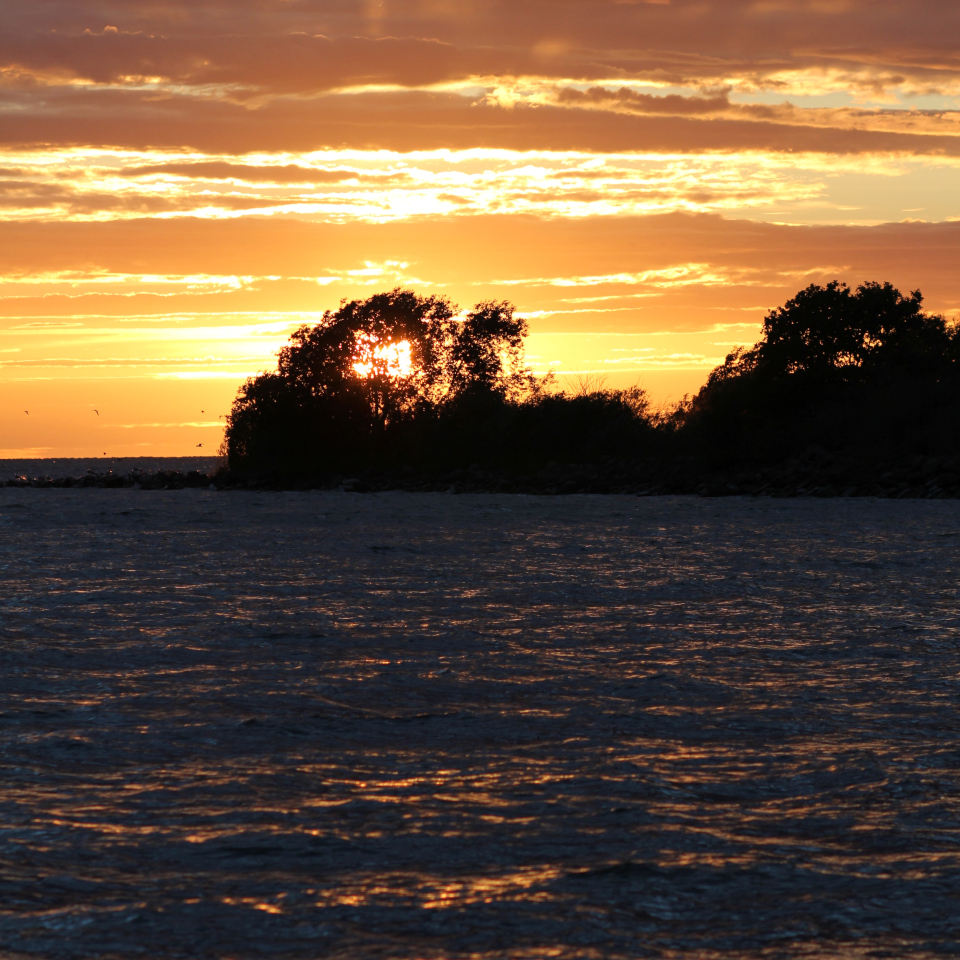
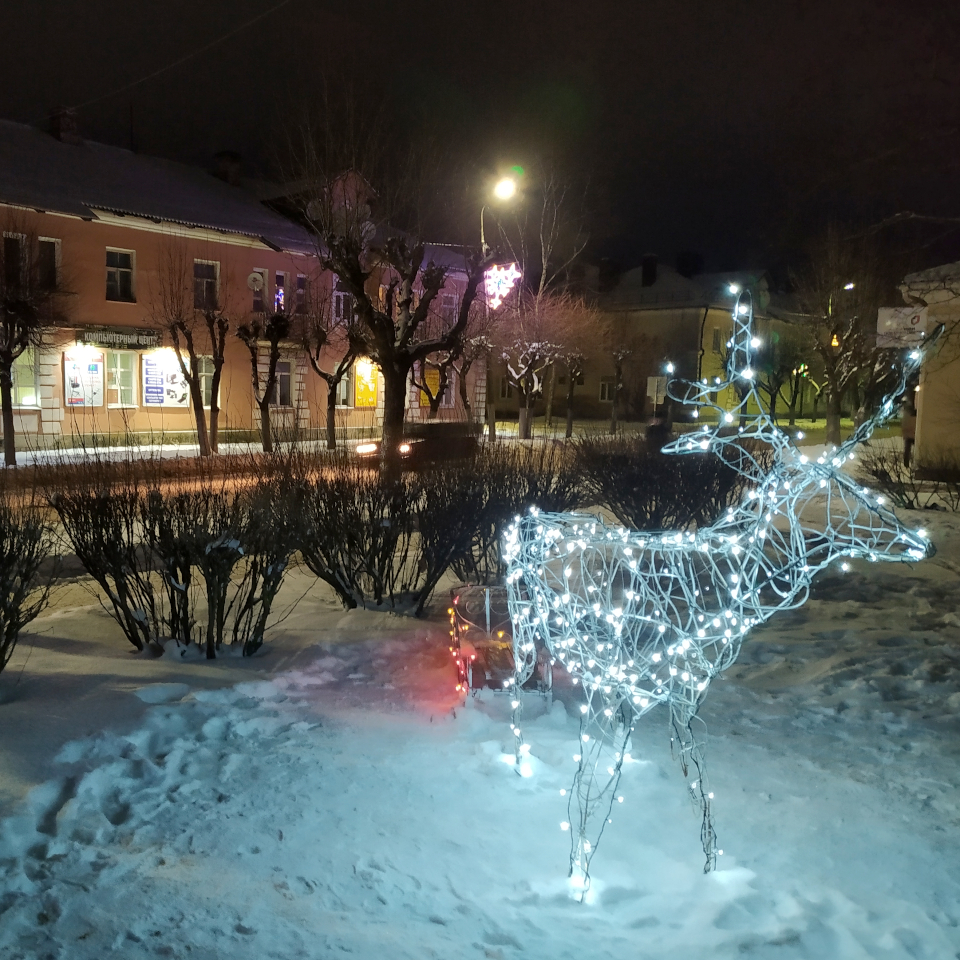
Below you may scroll through a small photo gallery of Gdov and Chudskoye lake coast.